
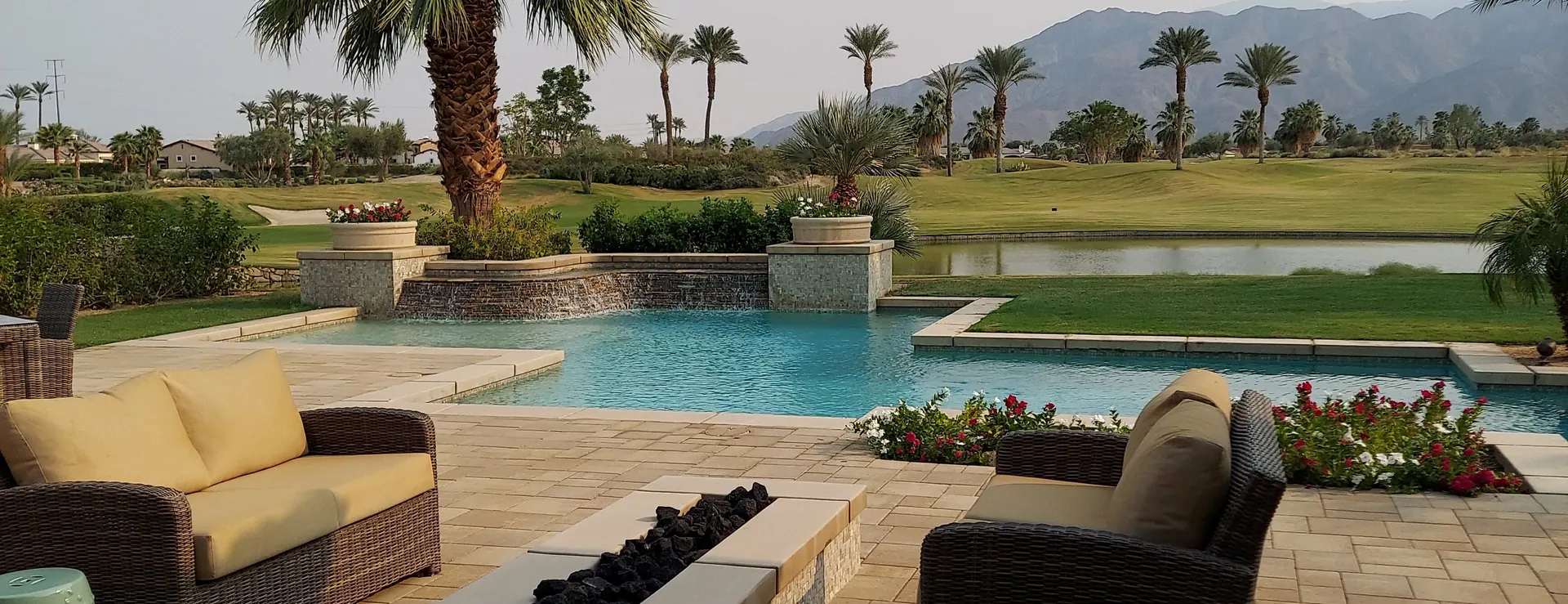
Hardscaping
Patios, walkways, walls and fire pits. The part of the yard you actually stand on.
What goes under a patio
The difference between a patio that lasts twenty years and one that looks tired in four is entirely underneath it. Twelve inches of compacted process, geotextile over anything questionable, and a proper edge restraint.
We lay dry, not on concrete. A dry laid patio can be lifted and reset in a weekend if a root pushes it. A mortared one cracks and stays cracked.
What is included
-
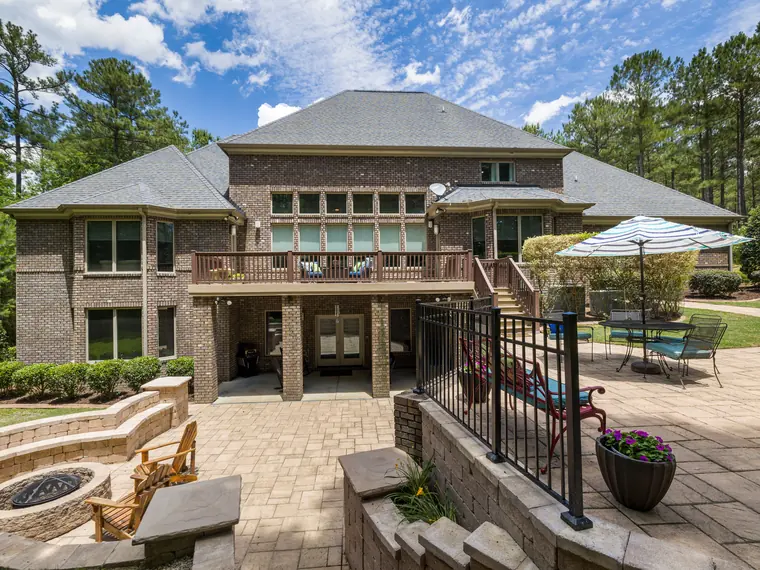
Paver patios
Concrete pavers, clay brick or natural stone. All dry laid on a compacted base.
-
Bluestone and granite
Thermal bluestone treads, granite steps, full colour or select blue.
-
Retaining walls
Segmental block or natural stone. Anything over four feet gets engineered.
-
Seating and fire
Sitting walls, gas fire tables, wood burning pits with proper clearance.
-
Walkways and steps
Cut to the actual walking line, not the shortest one on the drawing.
-
Drainage under it all
Perforated pipe and clean stone where water needs a path out.
What goes under a patio
-
01
Excavate to depth
Twelve inches minimum for foot traffic, more for a driveway or bad soil.
-
02
Geotextile and base
Fabric over soft subgrade, then process stone compacted in lifts of three inches.
-
03
Screed and set
A one inch bedding course, screeded flat, pavers set by hand and cut on site.
-
04
Edge and lock
Spiked edge restraint, polymeric sand swept in, plate compacted twice.
What it runs
Ranges, not quotes. Every property is different and the only honest number comes after we walk it.
- Walkway$4,000 to $9,000
- Patio, 300 to 500 sq ft$14,000 to $30,000
- Retaining wall$120 to $220 per face foot
- Fire pit or sitting wall$3,500 to $9,000
Access drives cost more than material does. If a machine cannot reach the back, budget more.
Other services
Want a number for your property?
Walkthroughs are free and book about a week out.